Coffee vs Tea Culture: Productivity, Rituals, and the Meaning of Slow Living | Hermtea
In today’s fast-moving world, what we drink often reveals how we live.
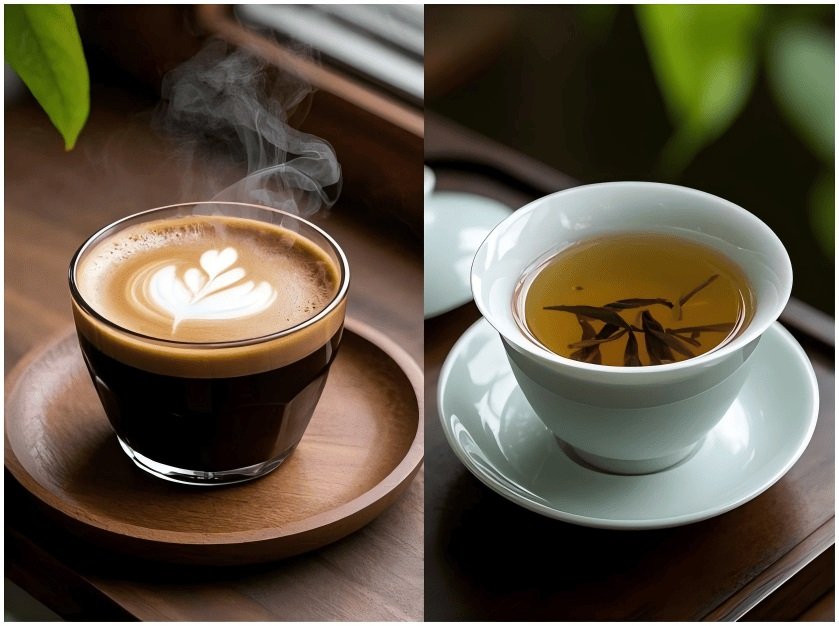
When we compare coffee vs tea culture, we do more than discuss flavor or caffeine—we examine two fundamentally different relationships with time, productivity, and presence.
Coffee drives speed.
Tea restores rhythm.
By looking at how people drink, prepare, and value these beverages, we begin to understand two opposing philosophies of daily life.
I. Drinking Scenarios: Instant Energy vs. Unhurried Moments
Modern life has turned coffee into a tool for efficiency. People grab a latte on the way to work, down an espresso during short breaks, or rely on cold brew to survive late-night deadlines. Coffee exists to deliver fast energy and immediate results.
Most coffee rituals last only seconds. People drink while checking emails, walking between meetings, or staring at screens. Coffee fits seamlessly into packed schedules and reinforces a mindset focused on speed and output.
Tea invites a different pace.
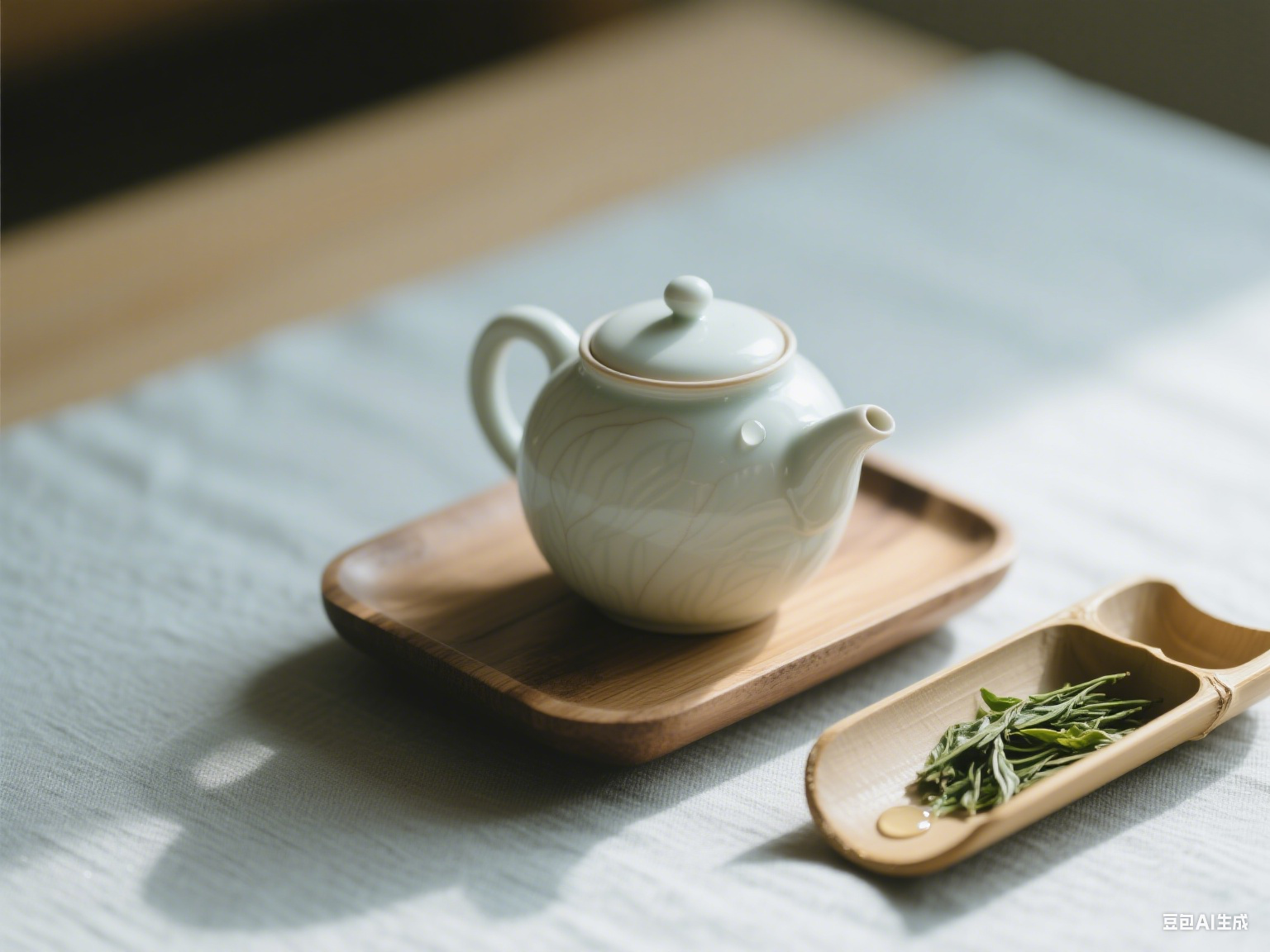
In traditional Chinese tea culture, people slow down on purpose. Friends gather around a tea table, heat water gently, warm porcelain cups, rinse the leaves, and pour with calm precision. Every step matters, and none of it feels rushed.
Whether people brew Chaoshan Gongfu tea, steep delicate white tea, or age pu-erh over time, tea drinking becomes an experience rather than a task. Instead of chasing efficiency, drinkers focus on awareness. Time loosens its grip, and attention turns inward.
II. Production & Preparation: Standardization vs. Natural Expression
Coffee production today prioritizes control and consistency. Roasters measure roast levels, baristas adjust grind sizes, and machines regulate temperature and pressure. Capsule systems and instant coffee reduce brewing to a single push of a button.
Even specialty coffee relies heavily on precision equipment to recreate the same flavor again and again. Many people add milk, sugar, syrups, or plant-based alternatives, shaping taste through customization rather than origin.
Tea follows another path.Chinese tea as Intangible Cultural Heritage
Tea makers work with nature instead of overriding it, preserving 【traditional Chinese tea processing techniques】that UNESCO recognizes as Intangible Cultural Heritage.Farmers harvest Longjing green tea in early spring and select mature leaves for Keemun black tea based on season, weather, and experience. No machine can replace this judgment.
Artisans fire green tea by hand, gently shake oolong leaves to release aroma, and ferment pu-erh over many years. Tea expresses its environment directly. Soil, sun, rain, and time define flavor—without additives or artificial enhancement.
Most people drink tea in its pure form, allowing craftsmanship and terroir to speak clearly.
III. Cultural Meaning: Utility vs. Living Heritage
Coffee culture revolves around modern productivity. It powers startup offices, fuels long workdays, and supports brief social exchanges. Cities around the world have developed their own coffee scenes, but most people still drink coffee to stay alert and keep moving.
Tea carries a deeper cultural role.
In Chinese culture, people treat tea as a way of life rather than a beverage. Tea represents harmony, respect, and self-cultivation. Writers, scholars, and monks have explored tea philosophy for centuries, beginning with 【The Classic of Tea 】in the 8th century.
People serve tea to guests before serving themselves. They fill cups only partway to leave room for friendship. Guests tap the table to express gratitude. These customs transform tea into a language of respect and connection.
Tea making also trains the mind. As people listen to boiling water, breathe in leaf aromas, and adjust each pour, they practice presence. Tea culture blends Confucian self-discipline, Taoist harmony with nature, and Buddhist mindfulness—forming the idea that 【 tea and Zen 】follow the same path.
Tea appears in weddings, healing practices, daily hospitality, and artistic expression. Its meaning reaches far beyond the cup.
Choosing How We Live, One Cup at a Time
he contrast between coffee vs tea culture reflects two ways of living.
Coffee helps us move faster.
Tea helps us move deeper.
Both drinks serve a purpose. Yet in a world driven by constant acceleration, tea offers something increasingly rare: a chance to slow down, reconnect with tradition, and experience life with intention.
So next time you lift a cup, ask yourself—not how much you can accomplish, but how fully you can be present.
Hi, I’m Chris — at Hermtea, I gently invite you to walk with me into Chinese tea.