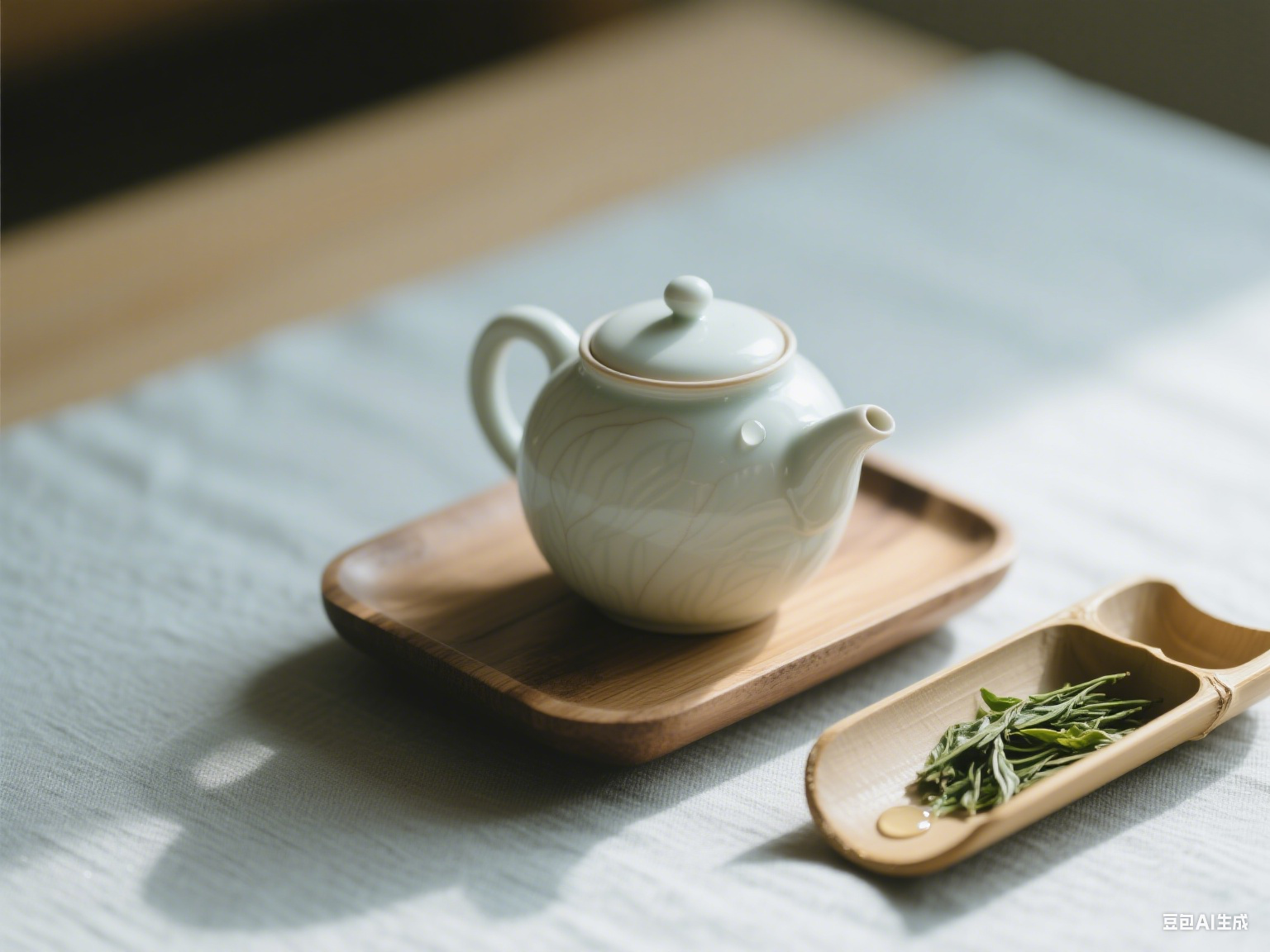
What Makes Chinese Tea a UNESCO Intangible Cultural Heritage? | Hermtea

At Hermtea, we view tea not simply as a product, but as a cultural expression shaped by land, craftsmanship, and time.
Our role is not to modernize tea beyond recognition, but to present it with clarity and respect — allowing its heritage to speak naturally to contemporary life.
Chinese tea is a living heritage.
And it continues, one cup at a time.
Understanding Intangible Cultural Heritage
UNESCO’s concept of Intangible Cultural Heritage refers not to monuments or artifacts, but to living traditions — practices, skills, rituals, and knowledge that communities continue to pass down through daily life.
Unlike objects preserved behind glass, intangible heritage exists only when it is practiced.
It survives through repetition, care, and participation.
Tea, in this sense, is not history.
It is continuity.
Chinese Tea and UNESCO Recognition
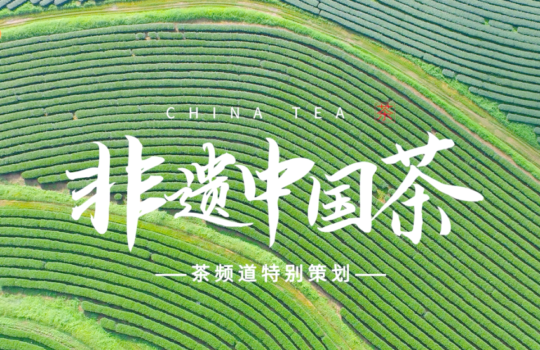
In 2022, UNESCO officially inscribed
“Traditional Tea Processing Techniques and Associated Social Practices in China”
on the Representative List of the Intangible Cultural Heritage of Humanity.
This recognition spans more than 15 provinces across China and encompasses all six major tea categories — green, white, yellow, oolong, black (red), and dark tea.
What UNESCO recognized was not a single technique, region, or product, but an entire cultural system:
- Traditional methods of tea cultivation and processing
- The knowledge passed from master to apprentice
- Social customs surrounding tea preparation and sharing
- The relationship between tea, seasons, landscape, and daily life
Together, these elements form a living heritage that continues to evolve — not in isolation, but through use.
Why Chinese Tea Is Considered a “Living Heritage”
What distinguishes Chinese tea from many ancient crafts is not its age alone, but its uninterrupted practice.
Tea is still grown on the same mountains.
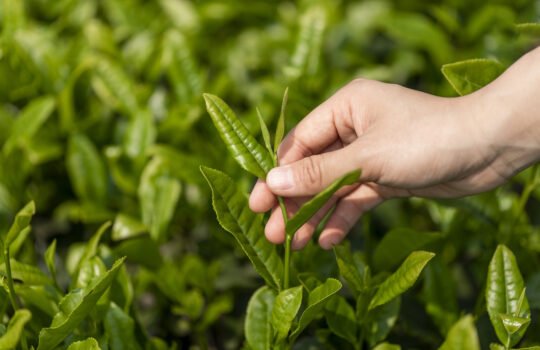
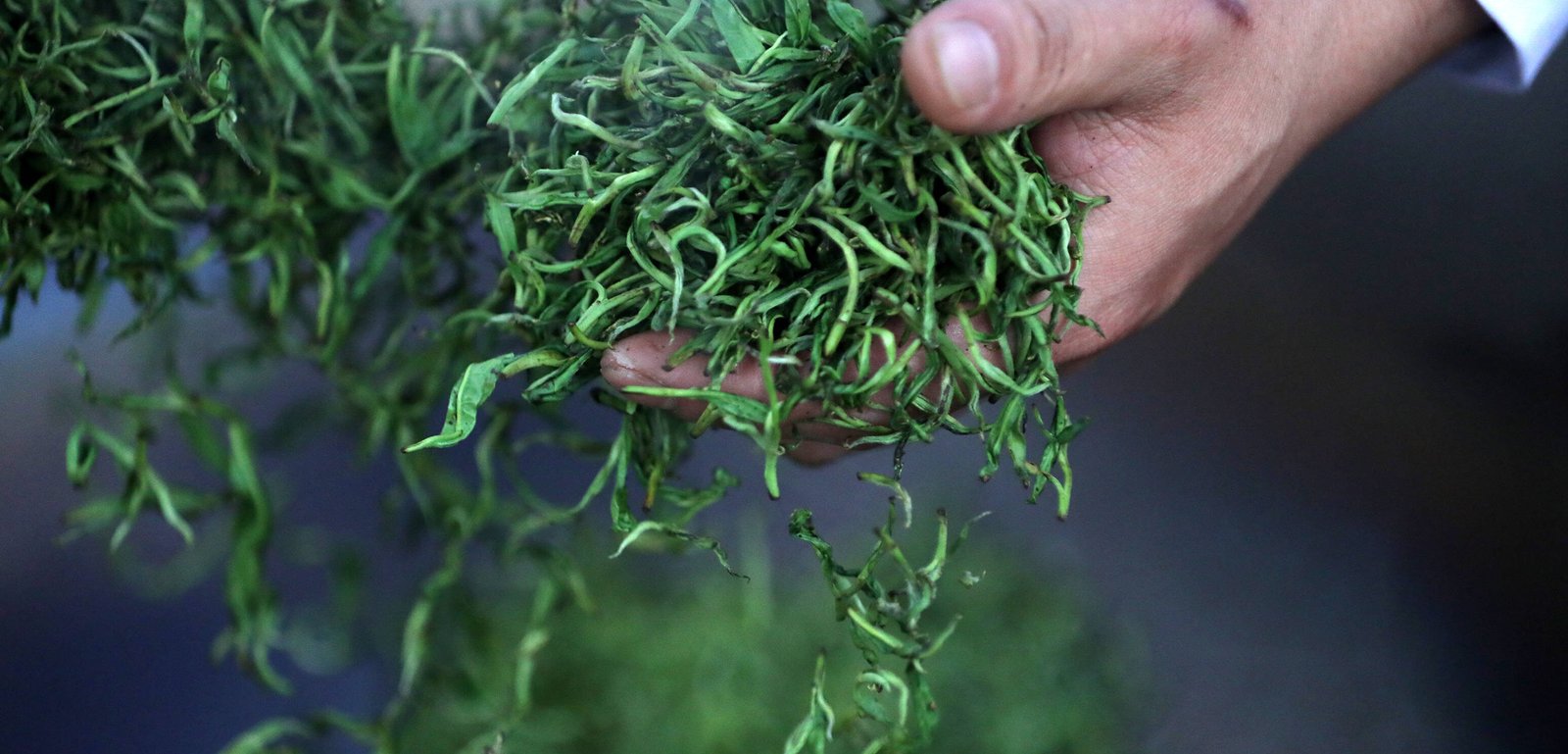
Leaves are still shaped by hand and guided by experience rather than machines.
Knowledge is still passed through observation, intuition, and time.
In traditional tea making, mastery cannot be accelerated.
It requires years of repetition — learning how leaves respond to humidity, temperature, oxidation, and fire. These are skills that cannot be fully written down or automated.
Equally important is tea’s role beyond production.
Tea remains deeply woven into social life — offered to guests, shared among family, used for reflection, conversation, and quiet moments. It shapes not only taste, but temperament.
This is why Chinese tea is not preserved as a relic.
It is sustained through living practice.
More Than Craft: Tea as Cultural Rhythm
At its core, tea culture reflects a worldview.
It values patience over speed.
Attentiveness over efficiency.
Presence over productivity.
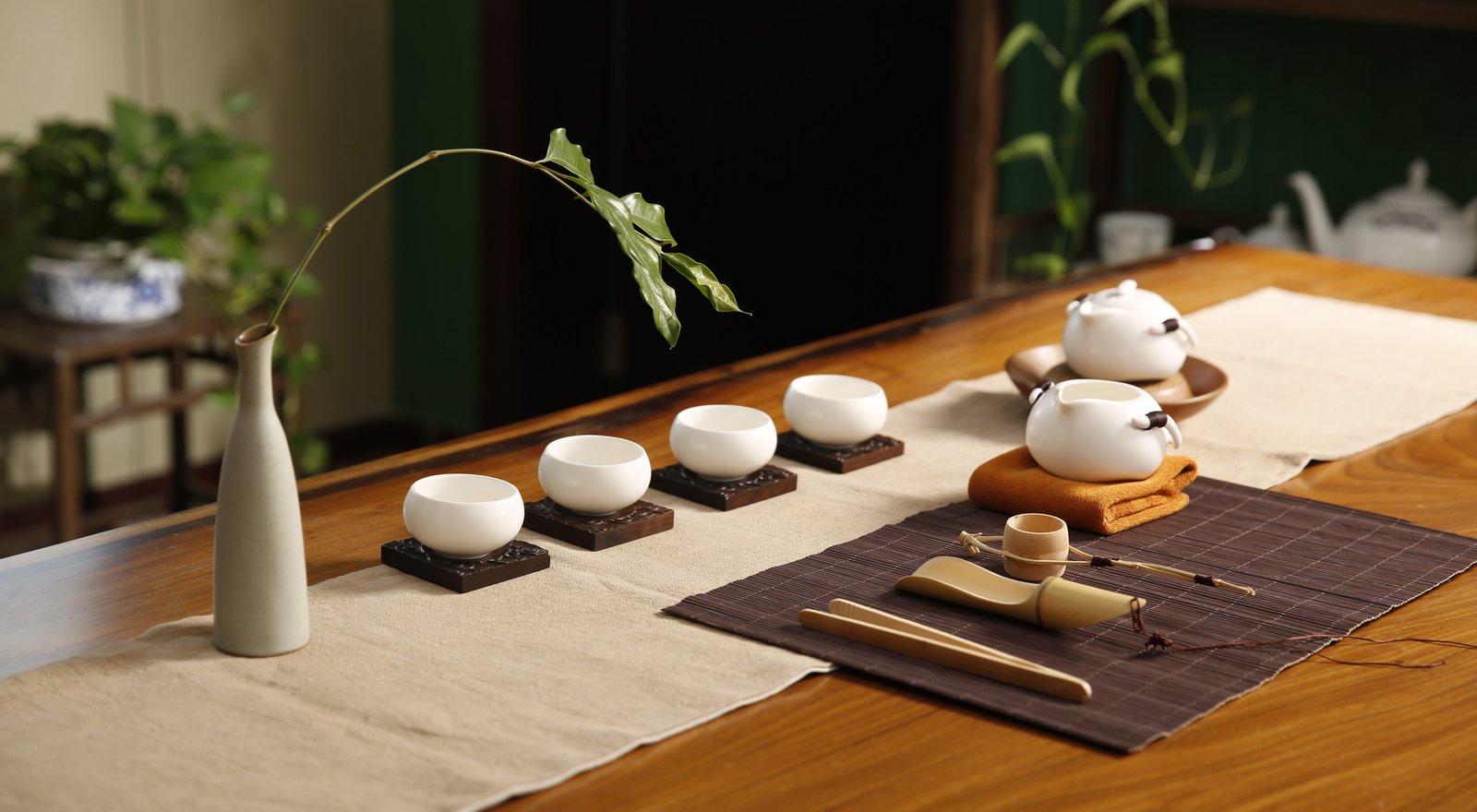
In a traditional tea setting, time slows. Water heats gradually. Leaves unfold at their own pace. Conversation pauses naturally. There is no urgency — only attentiveness.
This rhythm, refined over centuries, is precisely what makes tea relevant today.
UNESCO’s recognition is not an attempt to romanticize the past, but to affirm the importance of such rhythms in a rapidly accelerating world.
Preserving the Future, Not Just the Past
The protection of intangible cultural heritage is not about freezing traditions in time.
It is about ensuring they remain meaningful and practiced.
When we choose traditionally made tea, learn its origins, and respect the hands behind it, we participate — quietly — in its continuation.
Each cup becomes an act of connection.
Hermtea’s Perspective
At Hermtea, we view tea not simply as a product, but as a cultural expression shaped by land, craftsmanship, and time.
Our role is not to modernize tea beyond recognition, but to present it with clarity and respect — allowing its heritage to speak naturally to contemporary life.
Chinese tea is a living heritage.
And it continues, one cup at a time.
Hi, I’m Chris — at Hermtea, I gently invite you to walk with me into Chinese tea.
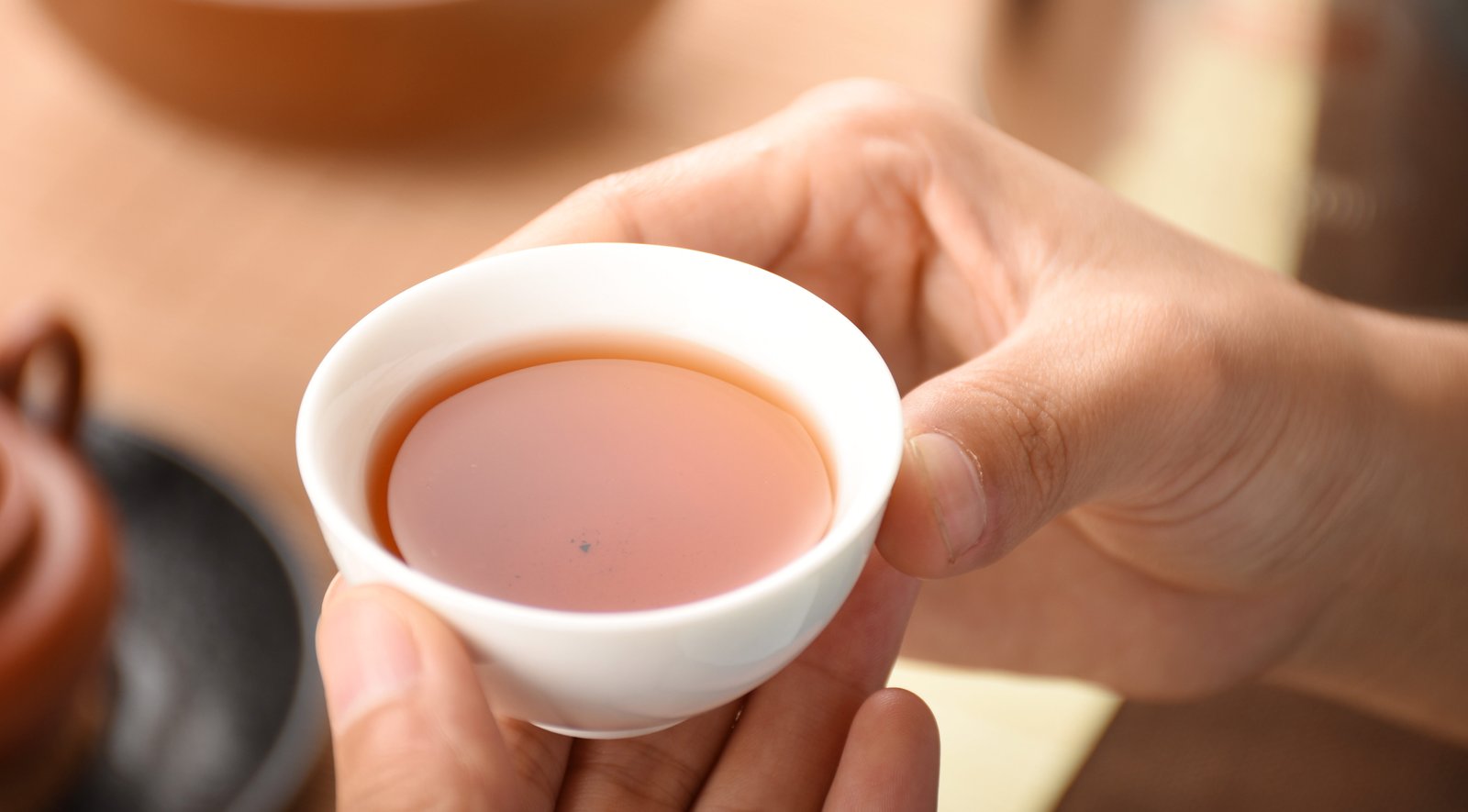
It is not preserved in silence. It lives through hands, habits, and quiet moments shared around a cup. This is only the beginning. In the next chapter, we meet the tea masters — the quiet guardians of China’s living tea heritage.